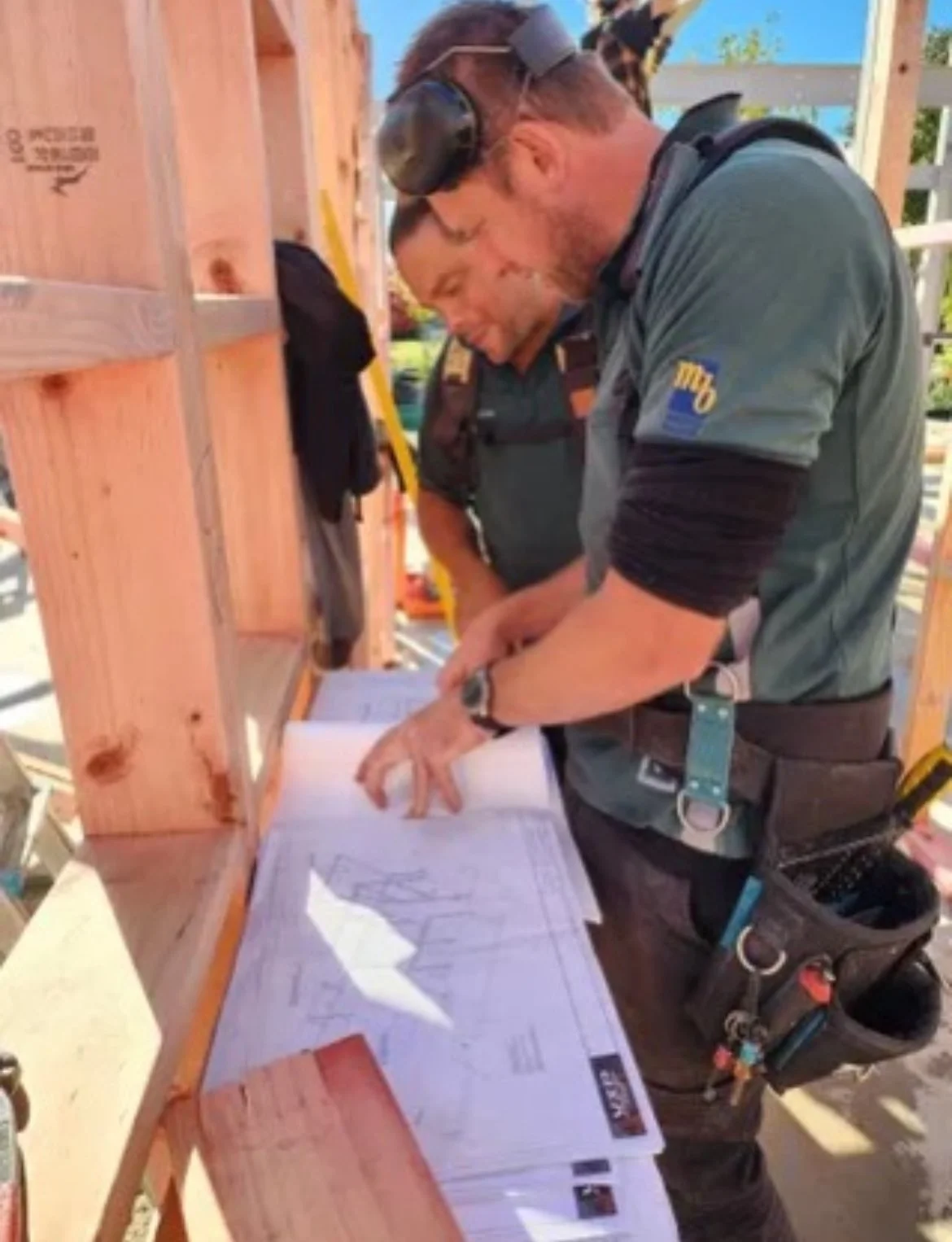
Get to Know Your Design Qualified Builder
Sam Petrie, Director and Operations manager is a licensed Registered Master Builder, his qualifications include a degree in Architectural Design and a National Certificate in Carpentry. Sam brings expertise in both design principles and practical construction. His extensive industry experience allows him to balance aesthetics and functionality in every project. His dedication to his own family influences his approach to the business, emphasising a personable approach underpinned by integrity, quality craftsmanship and care.
As the builders wife I get the pleasure to chat with my hubby Sam for our latest blog. We have some great discussions about the industry and our place within it, although I know Sam would prefer not to talk about work after a long day…

What is an Architecturally Designed home?
An architecturally designed home is a custom-built house created by a Registered Architect or Architectural Designer to uniquely suit the owner's lifestyle and preferences. Unlike pre-designed plans offered by some building companies, which allow for only minor changes to layout or finishes, architecturally designed homes are tailored to fit both the owner's specific needs and the site’s unique characteristics. In contrast, a "spec" home is pre-designed by a developer or building company, with most or all of the specifications already chosen. These homes are often sold as part of land-and-house packages.
What should clients consider when choosing to build a home that has been Architecturally designed?
Clients will need to purchase land and consider how they need their home to function. The process of designing will take some time as Architects require an understanding of how clients live and what they need from their home and how the home will work in the land space. If you are choosing to spend money on key design features make sure functionality is not compromised.
A well designed home is not the most different house on the street with the most unique Architectural features. A great Architectural home will look great, function well and last generations. It is important to have your Builder, Architect, Interior Architect and Landscaper working together for synergy throughout the build.
We recommend they meet face to face at the beginning of the design phase and have regular communication throughout. The better the synergy between your professionals the better the outcomes will be for you and your project.
What are some key things that contribute to a builder being good at what they do?
Being able to confidently understand design principles of the Architect and Client
Make suggestions while considering key design principles
Communication is open, transparent and proactive
Organised with suppliers and sub trades
Has great relationships with not only the direct building team but other professionals involved in the build
Has an eye for detail and quality craftsmanship
Ensures the highest quality of finishing at handover
Revisits the home after the first season change to check for any house movement and maintenance.
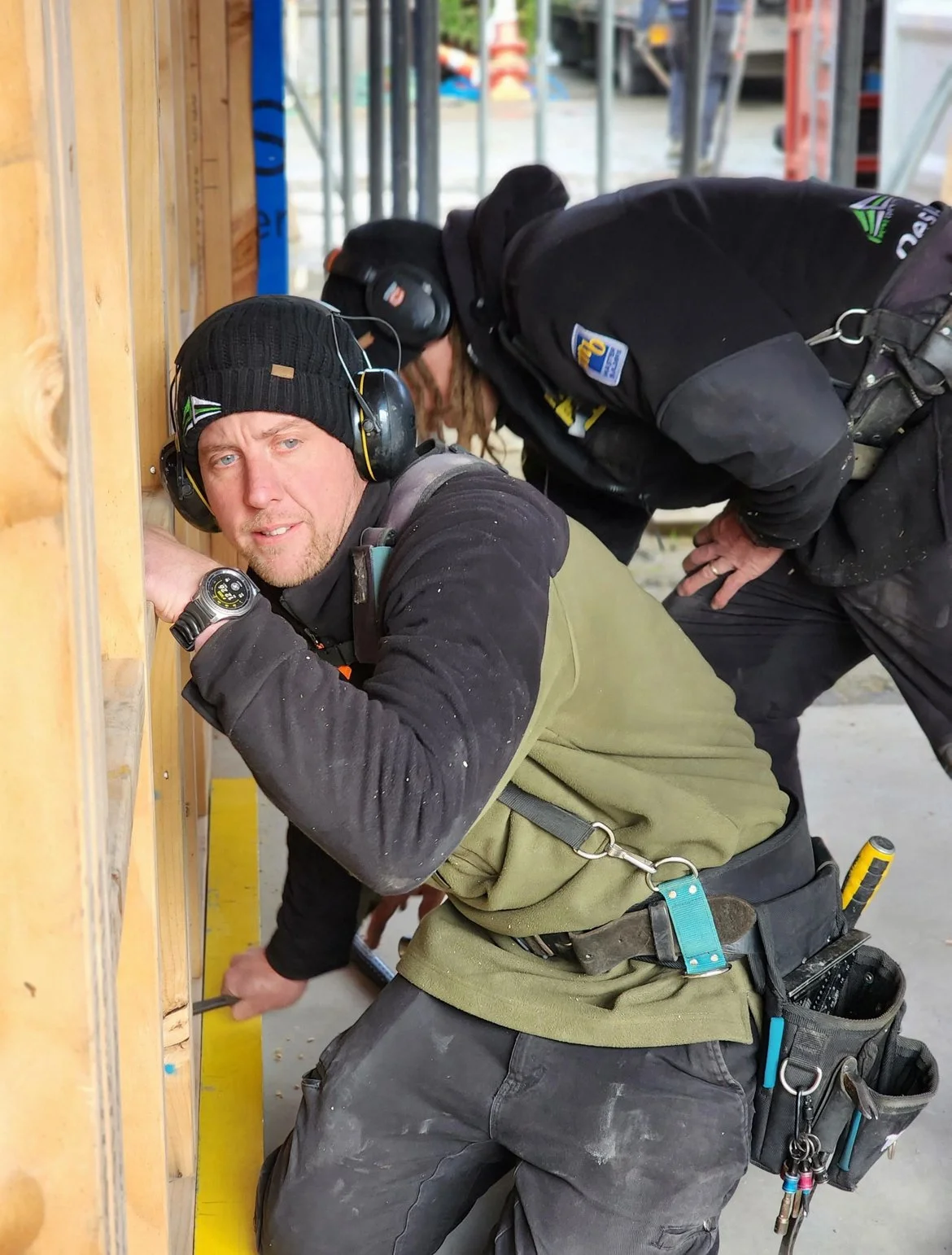
What are some of your favorite projects, what did you enjoy about building them?
I am fortunate to have worked on some special projects. The biggest enjoyment is completion and owner satisfaction. All the residential homes have had their own merits, roof lines, full height windows, voids, feature stone, stunning stairways, cedar woodwork, breathtaking indoor and outdoor entertaining spaces. Renovations are highly rewarding. Intricate details of matching in the old with the new. Renovations are a lot of work particularly getting old walls straight and lined up with new construction.
Structural progress of a renovation looks a lot slower than a new build, it has to be right! There is just something about bringing something back to life, making a family home feel loved again because it now works with the changing needs of the family. Client satisfaction is certainly our biggest enjoyment. We work hard to meet client expectations and to have a home completed to the highest quality for a family is the most satisfying.
Building to schedule and on budget is important whilst ensuring great quality finishing, what do you do to manage this?
Honor and I have made a conscious decision not to pursue high volumes of build projects. Our business model is centered on delivering high-quality work, and we never take on more than we can handle. This ensures that every project receives the attention it deserves, maintaining our commitment to craftsmanship and detail. We’re deliberate in hiring the right people, those who share our values and understand our expectations. The same goes for the subtrades we work with—these are partners we know well and trust to maintain the same standards.
By aligning ourselves with smaller companies that operate similarly, there’s a real synergy. We’re all on the same page, which leads to smooth collaboration and consistently great outcomes. Its super important to me that the end of the build is not rushed. This is what the clients appreciate and understand the most. We ensure each sub trade has allocated time to do what they do best with the space to work their magic. There is a misperceived idea that you can have all hands on deck and produce a quality finish, this is not the case. Our subbies are not walking on top of each other, they are given their own space and they enjoy their craft.
We communicate realistic timeframes to clients and we have clear, transparent and proactive discussions about any variations so that clients always know what to expect and there are no surprises. We also maintain really good industry relationships. Our team, sub trades and suppliers all work hard for us and our clients so that we can keep to project timelines.
What are some key things you communicate to clients to ensure they feel confident and enjoy the building process?
Trust the process! It’s understandable that clients building an architectural home may find it difficult to step back and let professionals manage the details without overseeing every aspect. Often the construction process for a particular feature can be misunderstood by a client, once completed concerns disappear. Ultimately, the project belongs to the client—not the builders, architects, or developers. As professionals involved we fully respect this!
There are processes in construction that are often misunderstood, especially the time and effort involved in groundworks. A significant portion of the budget can go into getting a home "out of the ground," particularly in hill builds. Groundworks are one of the most critical structural phases to ensure the building will be strong and capable of withstanding years of environmental stress. Some days there will be lots of Visual Progress, we call this “VP”, such as when frames are being stood up—this is satisfying for both the builder and the client.
On other days, the work might be less visible, such as straightening, installing fixings and carrying out general construction to ensure the skeleton is solid and ready for dressing. Many structural stages, though crucial, can go underappreciated compared to the finishings which we see with the eye.
Recommendations from both Honor and Sam
Do your research:
Look at the homes you like, ask who the builder was, if they were good to work with and if the clients were happy with the quality and the process.
Create a list of builders whose style and approach appeal to you, meet with them.
Make sure the building team you choose is experienced in the type of build you want
Choose your top 3 builders ask them if you can look at a home they have built.
Get pricing from 3 builders. Only use consented plans for formal pricing it can become timely and costly for both client and builder to do detailed pricing without final consented plans (this is usually if plans are changing a lot)
Know what you want and try not to change your plans too often. The flow on effects from changes can impact many other construction stages and add costs to design, consent and building fees.
Choose your builder first, they will have a preferred team of sub trades to work with. A builder is only as good as his or her subtrades. If you have a friend in the trades it will be important for the builder to see their work first and make sure that they will fit with their team and have a positive working relationship.
Be careful in project managing yourself and requesting labour only from a builder (We no longer offer this service for residential homes). Builders can only guarantee the workmanship of those they know well and work with on a regular basis. Builders have established relationships with suppliers as well as sub trades, their credibility in the industry and experience in project management will ensure timelines are kept too. The motivation for a client to project manage is often to save money, unfortunately it can end up being more costly.
Make sure you trust, like and connect well with your builder. They will be in your life for 6-18months depending on the project. Enjoyment should be at the heart of the building process!